Practical Steps for Designing a Small Garden
Designing a small garden can be a fulfilling endeavor that enhances your outdoor space and provides a personal retreat. This article outlines practical, evidence-based steps for creating an effective small garden layout, ensuring you achieve the best results for your gardening efforts.
Understanding the Basics of Small Garden Design
When designing a small garden, it’s essential to understand the principles that guide effective garden layouts. According to landscape experts, space management is critical. In many cases, small gardens can feel cramped without a thoughtful approach, so planning is vital. Research indicates that gardens with clear pathways and defined areas often result in a more satisfying user experience, allowing for both beauty and functionality.
"A well-designed garden can act as an extension of your home, creating a peaceful sanctuary for relaxation and enjoyment." - Landscape Architect
Practical Steps for Designing Your Small Garden
- Assess the Space: Start by measuring your garden area. Understanding the dimensions allows you to create a layout that utilizes the space effectively. Experts suggest sketching out a basic design on paper or using garden planning software to visualize the area.
- Define Functions: Consider what you want from your garden. Whether it's a space for relaxation, growing vegetables, or hosting gatherings, defining the function will help guide your design choices. Studies show that gardens designed with a clear purpose often yield higher satisfaction rates for users.
- Choose the Right Plants: Selecting plants that suit your climate and soil type is crucial. Many users report greater success when they choose native plants, which typically require less maintenance and are more resilient. Research indicates that a diverse plant selection can attract beneficial wildlife, contributing to a healthier garden ecosystem.
- Create Focal Points: To draw the eye and create interest, consider including focal points such as ornamental features, sculptures, or vibrant flower beds. According to industry standards, a well-placed focal point can make a small garden appear more expansive and inviting.
- Incorporate Vertical Space: In small gardens, utilizing vertical space can significantly increase planting area without expanding the garden footprint. Experts recommend trellises, wall planters, and hanging pots to maximize greenery while keeping the ground clear.
Consider Maintenance and Sustainability
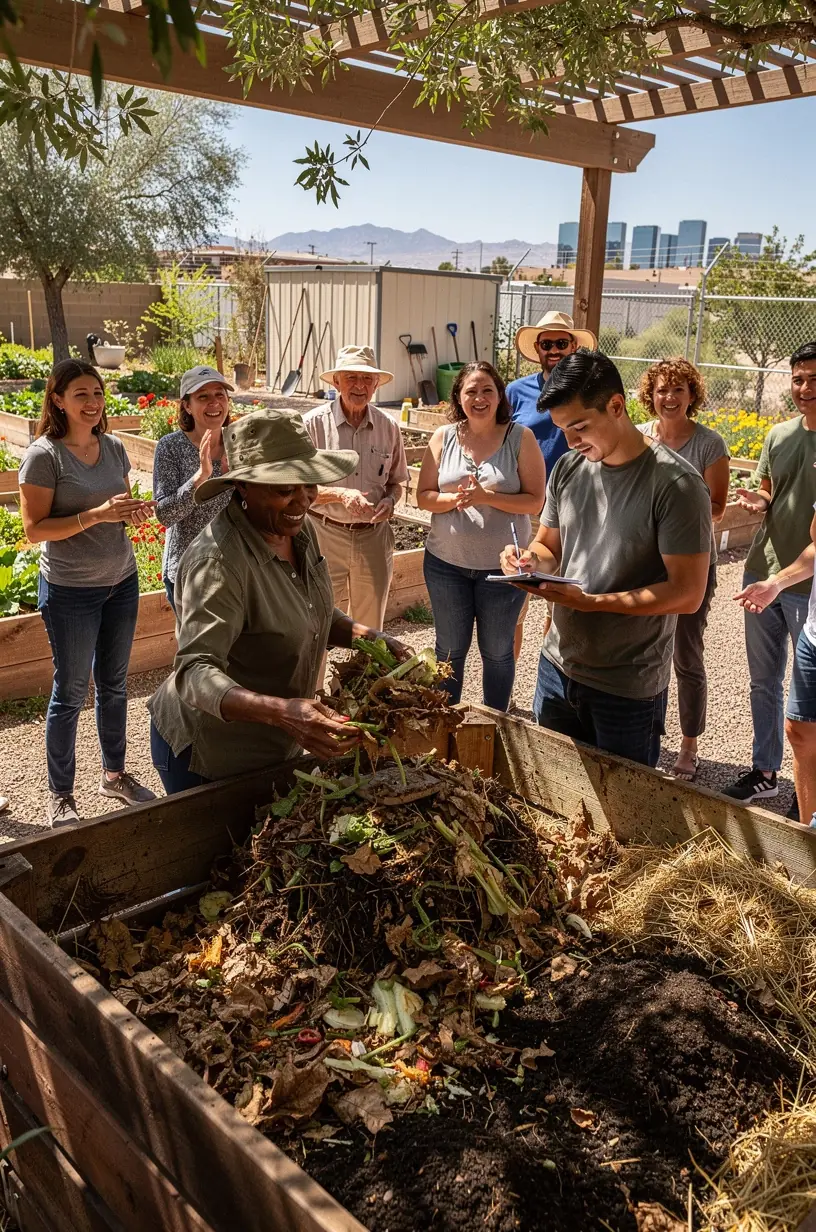
Maintenance is an inevitable part of gardening. It’s important to set realistic expectations regarding the time commitment involved; most small garden designs typically require regular care, including watering, pruning, and weeding. Moreover, focusing on sustainability can enhance your garden's ecological impact. Research indicates that implementing practices like composting and rainwater harvesting can improve plant health and reduce resource consumption.
Conclusion
Designing a small garden is a rewarding project that can enhance both your living space and your gardening skills. By following these practical steps, you can create a functional and beautiful garden that meets your needs and preferences. Remember, patience and dedication are key; results generally become evident over several weeks to months. A thoughtful approach to your garden design will help ensure a positive gardening experience, allowing you to enjoy the fruits of your labor for years to come.