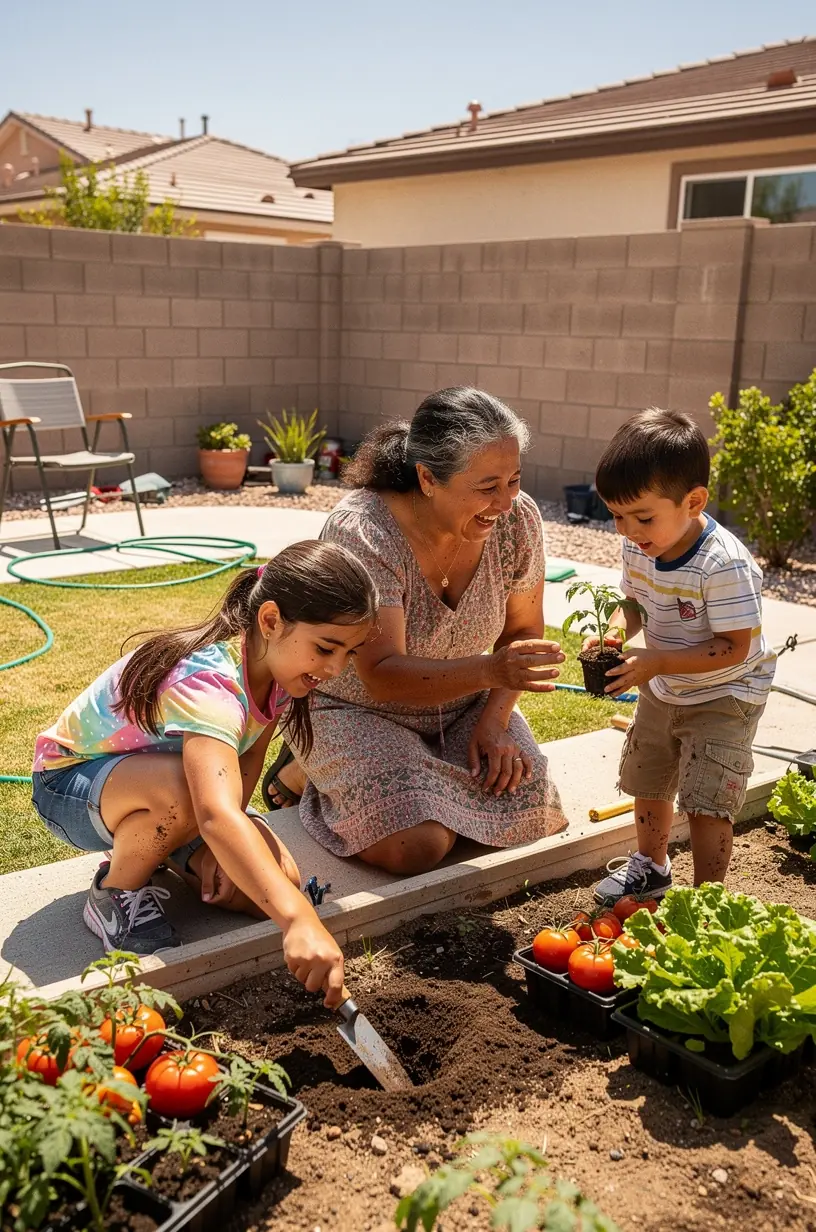
Understanding the Basics of Garden Soil Composition
Soil composition is a crucial aspect of gardening that significantly influences plant growth. Understanding the components of soil can help hobbyists and professional gardeners alike to create healthier gardens.
Understanding the Basics
Garden soil is made up of various components, typically categorized into minerals, organic matter, water, and air. Each of these elements plays a vital role in the overall health of your garden. According to research conducted by the American Society of Agronomy, the right soil composition can support plant health and nutrient uptake.
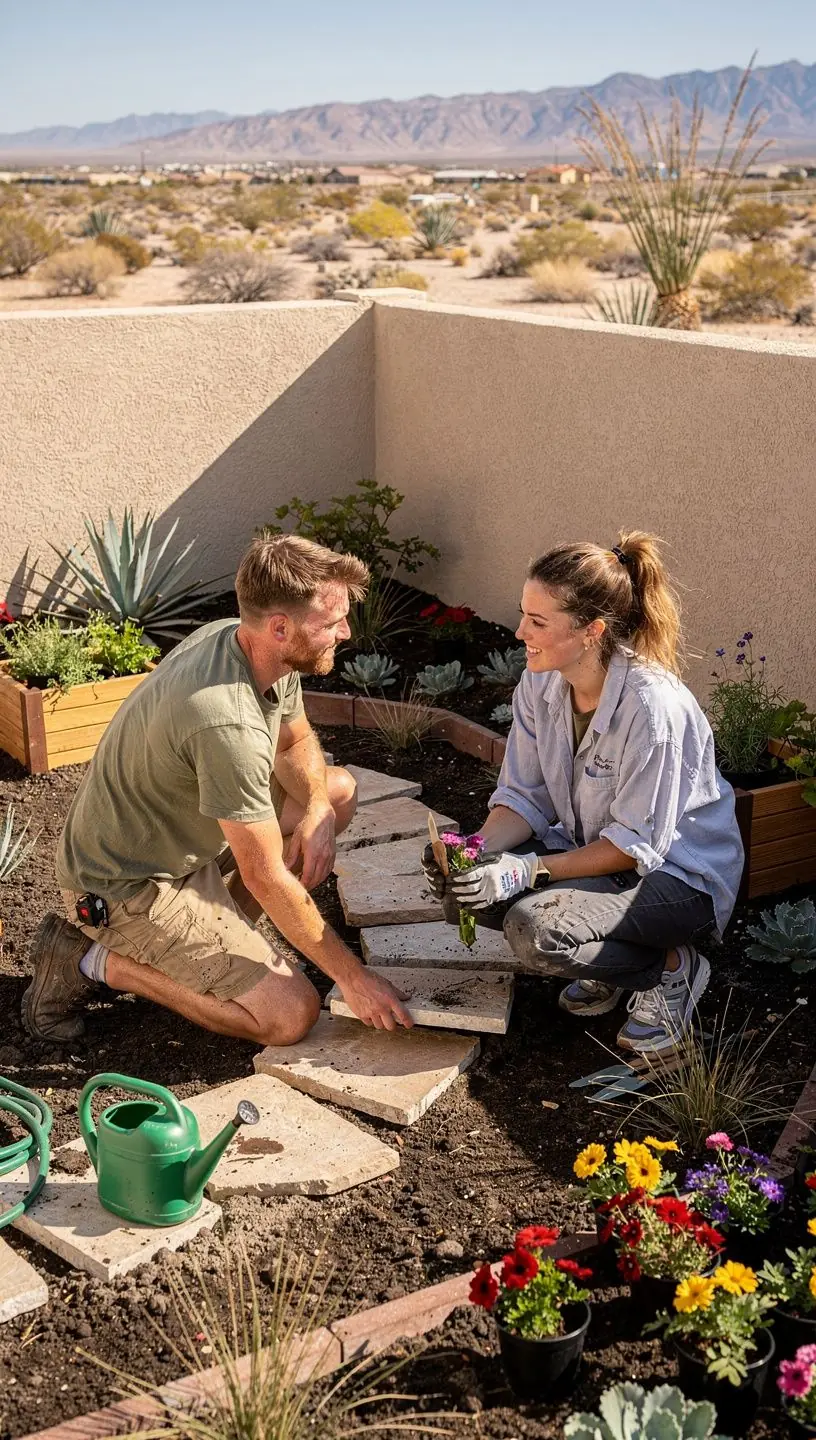
Soil Components
- Minerals: Comprising about 45% of the soil, minerals provide essential nutrients for plants. These include sand, silt, and clay, which each have different properties affecting drainage and nutrient retention.
- Organic Matter: Composed of decomposed plants and animals, organic matter typically accounts for around 5% of soil content. It enhances soil fertility and structure, according to studies by the Soil Science Society of America.
- Water: Water saturation is essential for plant growth; it can occupy between 25% to 50% of soil volume. Healthy soil retains moisture while still allowing for drainage, which many experts recommend for optimal plant health.
- Air: Comprising roughly 20%-30% of soil volume, the air in soil is important for root respiration. Compacted soil can limit air availability, negatively impacting plant health.
"Healthy soil is the foundation for a thriving garden, and understanding its composition is a key step in achieving that." - Gardening Expert
Why Soil Composition Matters
The composition of soil affects not only the growth of plants but also their ability to absorb nutrients and water. For instance, sandy soils drain quickly but may not retain nutrients effectively, while clay soils hold nutrients better but can become waterlogged.
Experts often suggest conducting a soil test to determine pH and nutrient levels. This knowledge allows gardeners to amend their soil appropriately, making it more suitable for the specific plants they wish to grow. Typically, this process requires a few days to weeks, depending on the testing method.
Improving Soil Quality
- Testing Your Soil: Use a home testing kit or send a sample to a laboratory to understand your soil's pH and nutrient composition.
- Amending Your Soil: Based on test results, you may need to add organic matter like compost or adjust pH levels with lime or sulfur. This process can take several weeks to see significant changes.
- Maintaining Soil Health: Regularly adding organic materials and practicing crop rotation can improve soil structure and fertility over time.
Conclusion
Understanding garden soil composition is essential for anyone looking to cultivate a thriving garden. A clear grasp of the components—minerals, organic matter, water, and air—along with practical applications of soil testing and amending, can lead to improved plant health and productivity. By investing time in learning about soil, gardeners can create environments that are more conducive to growth, leading to successful gardening experiences.
Learn More