
How to Create a Garden Layout Plan
Creating a garden layout plan is an essential step for both novice and experienced gardeners. A well-thought-out plan can enhance the aesthetic appeal of your garden while ensuring that plants thrive in their environment. This article provides practical insights into developing a garden layout that meets your needs and maximizes your outdoor space.
Understanding the Basics
Before diving into the planning stage, it’s crucial to understand some fundamental principles of garden design. According to landscape experts, the first step in creating a garden layout is to assess your space. This involves measuring your garden area and identifying sun exposure, soil conditions, and existing flora.
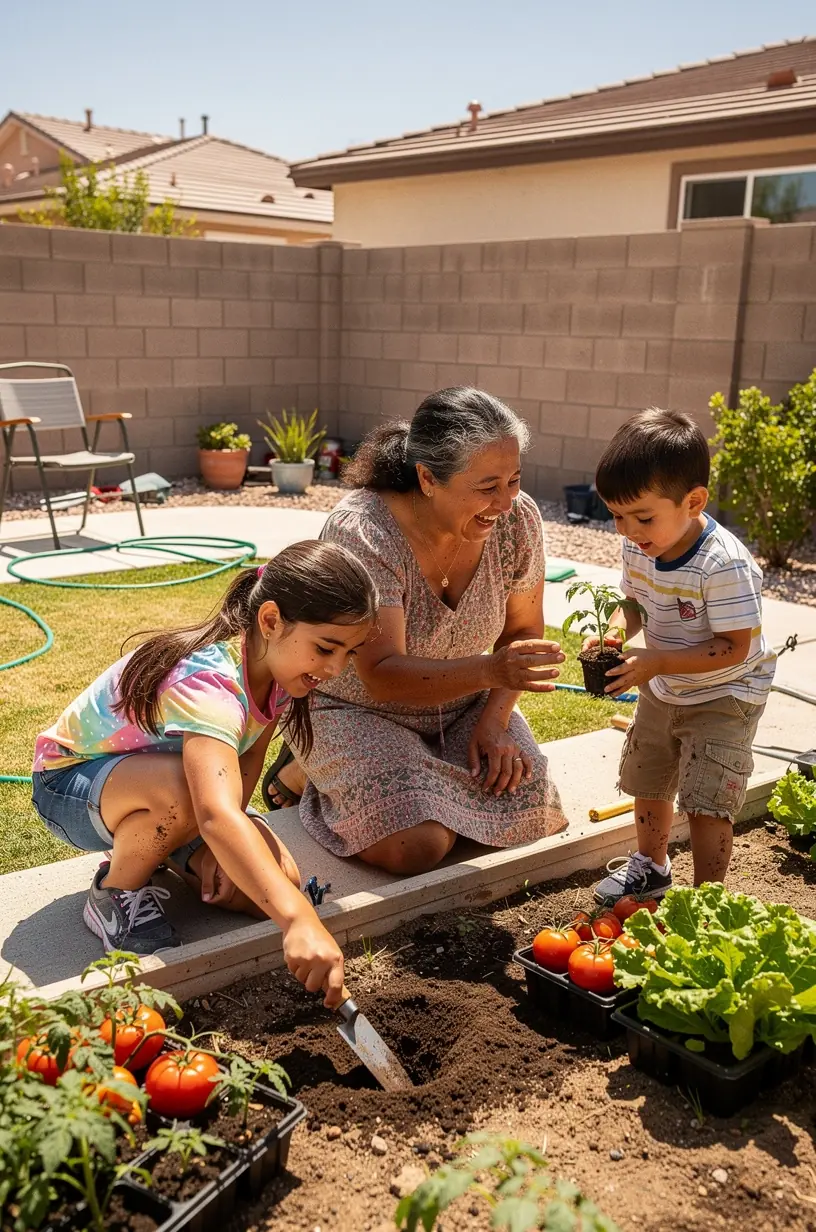
Research indicates that gardens that incorporate a mix of plant types, including perennials, annuals, and shrubs, tend to be more resilient and visually appealing. This is because a diverse plant palette can attract beneficial insects and create a balanced ecosystem.
"A well-designed garden can serve not just as a beautiful space but also as a habitat for wildlife, promoting biodiversity in your community."
Steps to Create Your Garden Layout Plan
Creating an effective garden layout typically involves several key steps. Here’s a practical guide to assist you:
- Define Your Goals: Consider what you want from your garden. Are you looking to grow vegetables, attract pollinators, or simply create a relaxing space? Defining your goals will guide your design choices.
- Sketch Your Space: Use graph paper or a garden planning app to draw a scaled version of your garden. Mark existing structures, pathways, and any features you want to keep.
- Choose Your Plants Wisely: When selecting plants, consider their height, spread, and light requirements. Industry experts recommend grouping plants with similar needs together, which can make maintenance easier.
- Plan for Seasonal Changes: Incorporate plants that bloom or change throughout the seasons. This approach can help maintain interest and beauty in your garden year-round.
- Include Paths and Borders: Designate pathways to facilitate easy movement through your garden. This also prevents soil compaction around plants. Consider using natural materials like mulch or stone for borders, which can enhance the aesthetic appeal.
Tools and Resources
Many gardeners find that using digital tools can help with their planning. Software and apps designed for garden design can provide templates and help visualize the final layout. Additionally, local gardening centers often offer workshops and resources that can further support your design process.
However, remember that creating a garden layout is a learning process that may require adjustments. It is not uncommon for new gardeners to find that their initial plans need tweaking as they observe how plants grow and interact over time.
Conclusion
Creating a garden layout plan is a rewarding endeavor that can enrich your gardening experience. By following these steps and remaining flexible, you can develop a garden space that not only meets your aesthetic desires but also provides a healthy environment for your plants. Keep in mind that patience and dedication are vital, as results typically appear within a few months, depending on your efforts and the plants chosen.
For hands-on gardening training and personalized small garden design services, consider visiting Dzelveste, where we offer expert guidance tailored to your gardening aspirations.
Learn More