How to Incorporate Edible Plants in Landscape Design
Incorporating edible plants into your landscape design can be both rewarding and practical. This article will guide you through the process, offering insights into effective strategies, the benefits of edible landscaping, and what to consider when starting your own culinary garden.
Understanding Edible Landscaping
Edible landscaping is the integration of food-producing plants into ornamental landscape design. Many users report that this approach not only enhances the aesthetic appeal of their gardens but also provides fresh produce at their fingertips. According to research from the American Horticultural Society, using native edible plants can create a sustainable environment that attracts beneficial wildlife.
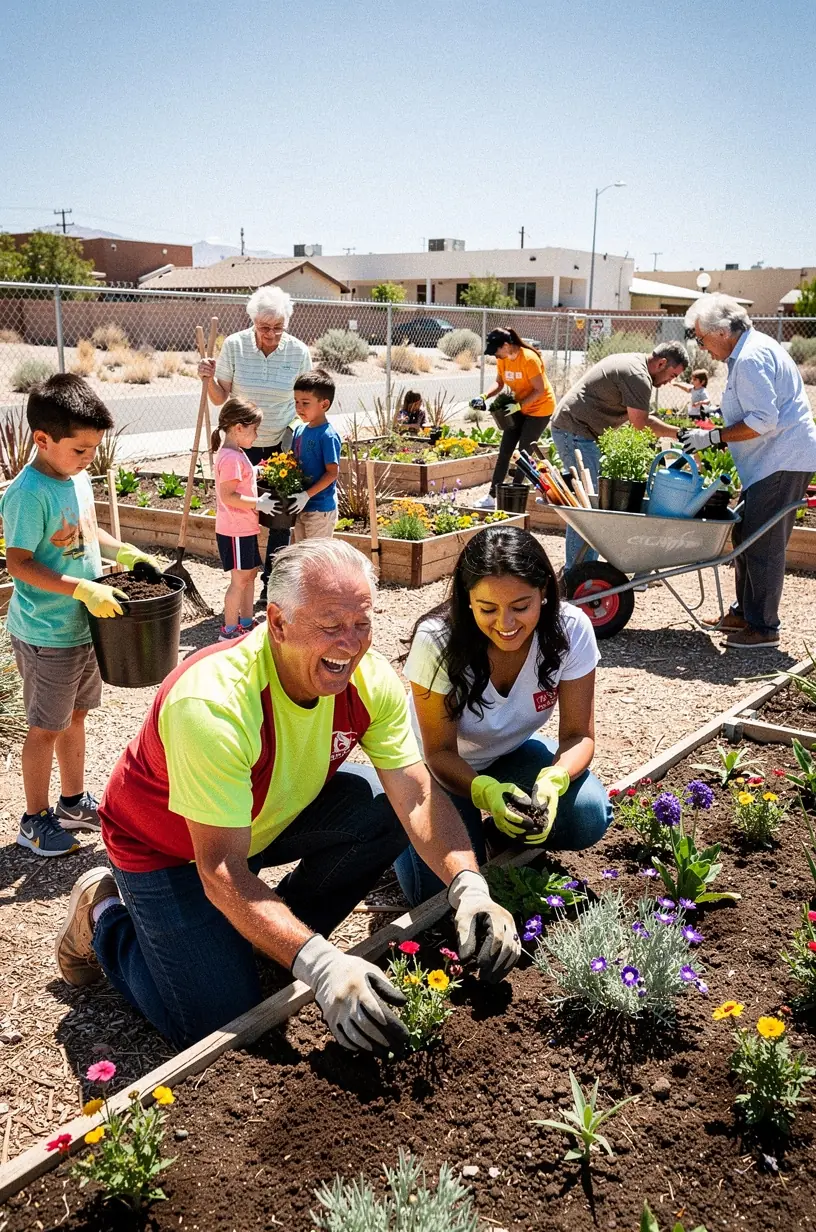
"Incorporating edible plants into your landscape not only beautifies your space but also encourages biodiversity and sustainability." - Landscape Expert
Benefits of Edible Plants in Your Landscape
- Enhances aesthetic appeal: Edible plants can produce beautiful flowers and foliage that contribute to the overall design.
- Promotes sustainability: Research shows that growing your own food can reduce carbon footprints and reliance on store-bought produce.
- Encourages wildlife: Many edible plants attract pollinators and other beneficial creatures, promoting a healthy ecosystem.
Practical Steps for Incorporating Edible Plants
Implementing edible plants into your landscape design involves careful planning and consideration. Here are some effective strategies:
1. Assess Your Space
Begin by evaluating your garden's layout, sunlight exposure, and soil quality. Experts recommend selecting a site that receives at least 6 hours of sunlight daily for most edible plants. This typically requires assessing existing structures and foliage that may obstruct sunlight.
2. Choose the Right Plants
When selecting plants, consider local climate conditions and soil types. Many gardeners find that including a mix of annuals and perennials can provide a continuous yield. Research indicates that using native plants can often lead to greater resilience against pests and diseases.
3. Plan Your Design
Design your landscape with both functionality and visual appeal in mind. Pair taller plants like tomatoes with lower-growing herbs such as basil, which can thrive in the same space. This method, often referred to as “companion planting,” can maximize your yield while minimizing pests.
4. Implement Sustainable Practices
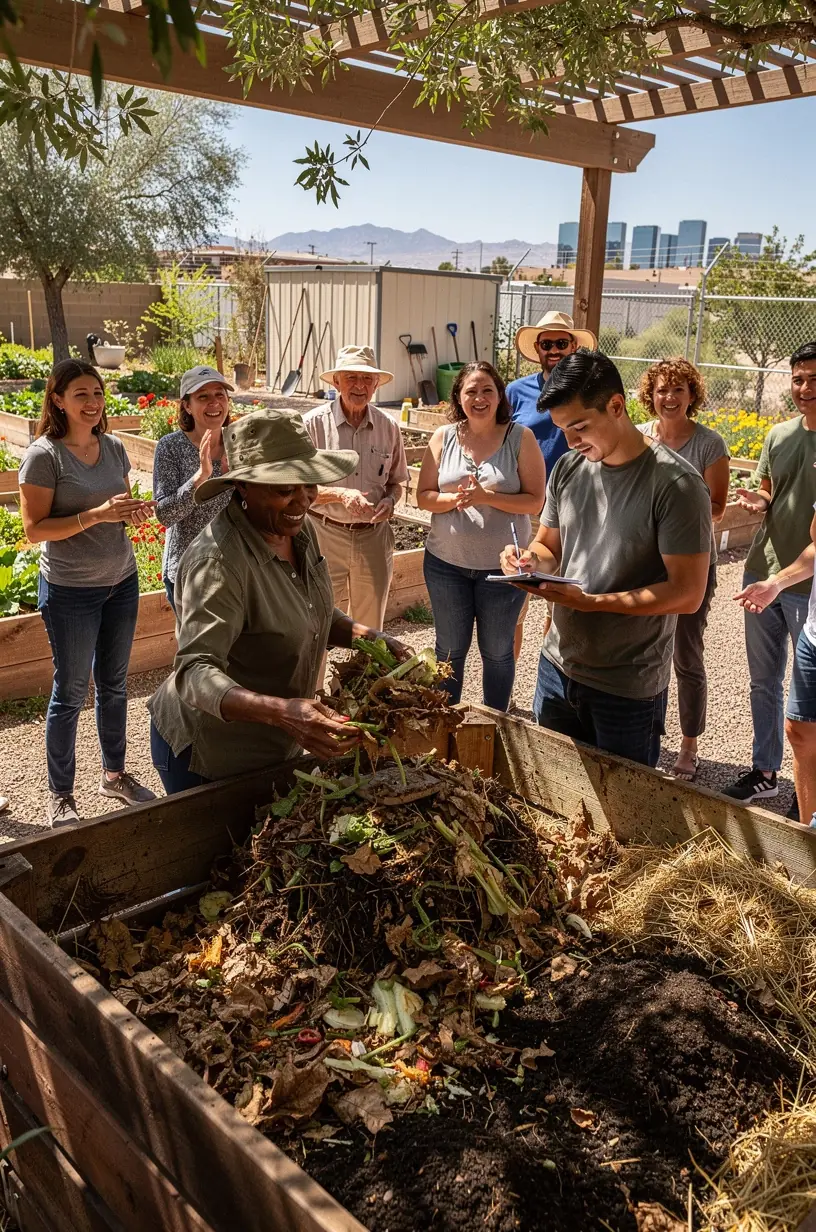
Incorporate sustainable gardening practices such as composting, using organic fertilizers, and practicing crop rotation. According to studies, these methods can improve soil health and increase plant productivity over time.
Maintenance and Care
Maintaining an edible landscape typically requires regular attention. This may include watering, pruning, and pest management. Many users find that dedicating just a few hours each week to their garden can lead to fruitful results. Setting realistic expectations—such as seeing growth within 4-6 weeks—can help you stay motivated throughout the process.
Conclusion
Incorporating edible plants into your landscape design not only contributes to a beautiful environment but also fosters a sustainable lifestyle. By understanding the principles behind edible landscaping and applying practical steps, you can create a thriving garden that meets your culinary needs. Start small, assess your space, and gradually expand your garden to achieve the best results. Remember, patience and dedication are key components of successful gardening.