Understanding Soil Health for Gardeners
Soil health is a vital component of successful gardening. Understanding its intricacies can significantly impact your garden's productivity and sustainability. This article will explore the elements of soil health, why it matters, and how you can improve it in your own garden.
Understanding the Basics of Soil Health
Soil health refers to the condition of soil in terms of its ability to function as a living ecosystem. According to research, healthy soil supports plant growth, filters water, and provides habitat for a variety of organisms. It is essential for gardeners to grasp the fundamental aspects of soil health, including its physical, chemical, and biological properties.

Physical Properties
The physical structure of soil influences how well it retains water and nutrients. Soil compaction, for example, can limit root growth and water infiltration. Experts recommend incorporating organic matter, such as compost, to improve soil structure, which typically enhances aeration and moisture retention.
Chemical Properties
Chemical properties, such as pH and nutrient levels, are crucial for plant health. Most garden plants thrive in soil with a pH between 6.0 and 7.5. Studies show that testing soil pH and nutrient content can help gardeners make informed decisions about fertilization and amendments.
Biological Properties
The biological aspect of soil health involves the living organisms within it, such as bacteria, fungi, and earthworms. These organisms play essential roles in nutrient cycling and organic matter decomposition. Maintaining biodiversity in the soil can lead to improved plant health and resilience.
"Healthy soil is the foundation of a productive garden, supporting everything from plant growth to ecosystem balance." - Soil Health Expert
How to Assess and Improve Soil Health
Improving soil health is a gradual process that typically requires ongoing effort and dedication. Here are some practical steps you can take:
- Conduct a Soil Test: This helps identify pH levels and nutrient deficiencies. Many local extension services offer affordable soil testing services.
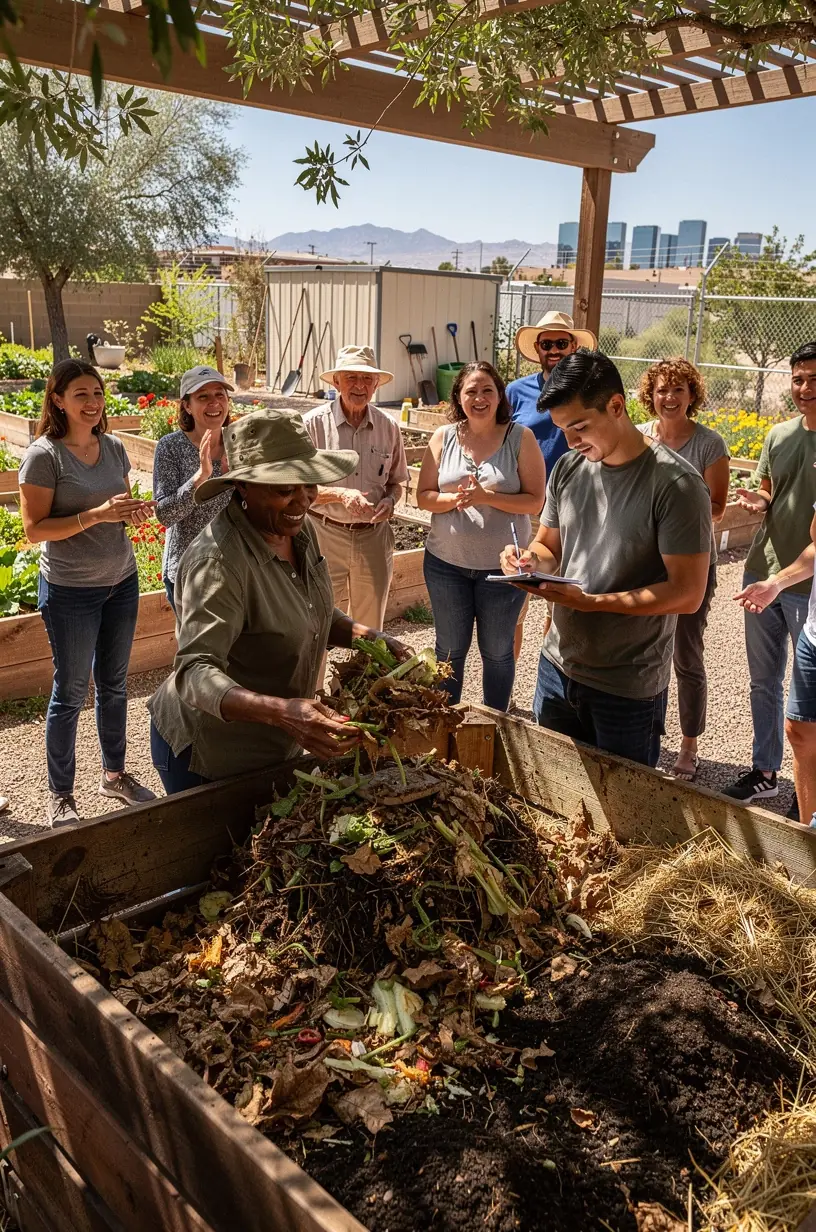
- Add Organic Matter: Incorporating compost or well-rotted manure can enhance soil structure and provide essential nutrients. This process often takes several weeks to show results, as it promotes microbial activity.
- Practice Crop Rotation: Rotating crops can prevent nutrient depletion and reduce pest and disease cycles. This method is considered a best practice in sustainable gardening.
Challenges and Limitations
While improving soil health is beneficial, it is important to acknowledge that it requires time and consistent effort. Changes to soil fertility typically manifest over several months, and you may need to adjust your approach based on specific garden conditions. Additionally, some interventions may not be suitable in certain contexts, such as compacted soils or areas prone to erosion.
Conclusion
Understanding and improving soil health is key to successful gardening. By considering the physical, chemical, and biological properties of soil, and implementing practical steps, you can foster a thriving garden ecosystem. Remember, it’s a journey that requires patience and ongoing learning, but the benefits for your plants and the environment are well worth the effort.