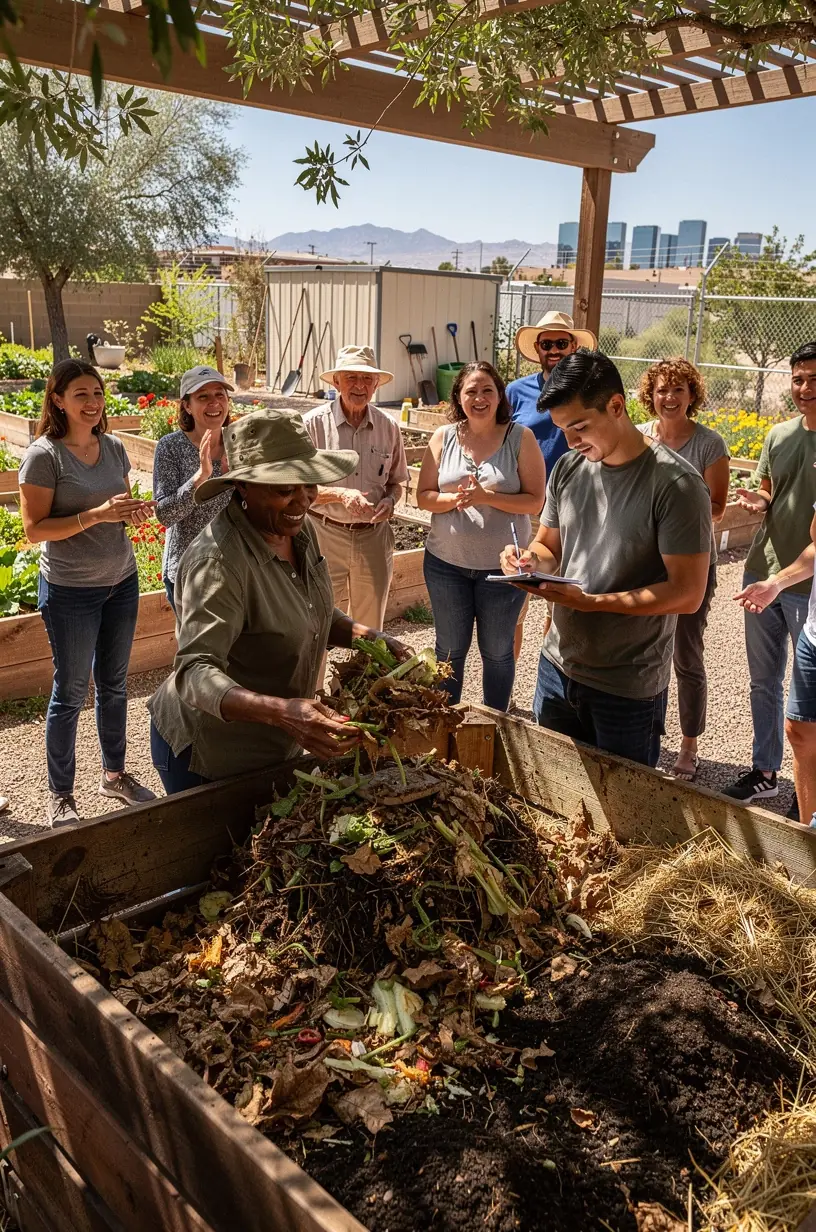
Understanding the Impact of Climate on Gardening
Gardening can be a rewarding hobby, but understanding the nuances of climate can significantly enhance your success. This article explores how various climate factors influence gardening, offering insights for both novice and seasoned gardeners.
Understanding the Basics of Climate and Gardening
The climate of a region typically dictates which plants thrive and which struggle. According to research from the National Gardening Association, understanding local climate conditions—including temperature, precipitation, and humidity—is essential in making informed gardening choices. For instance, many users report that specific plants perform better in particular climate zones, which are categorized by the hardiness of plants.
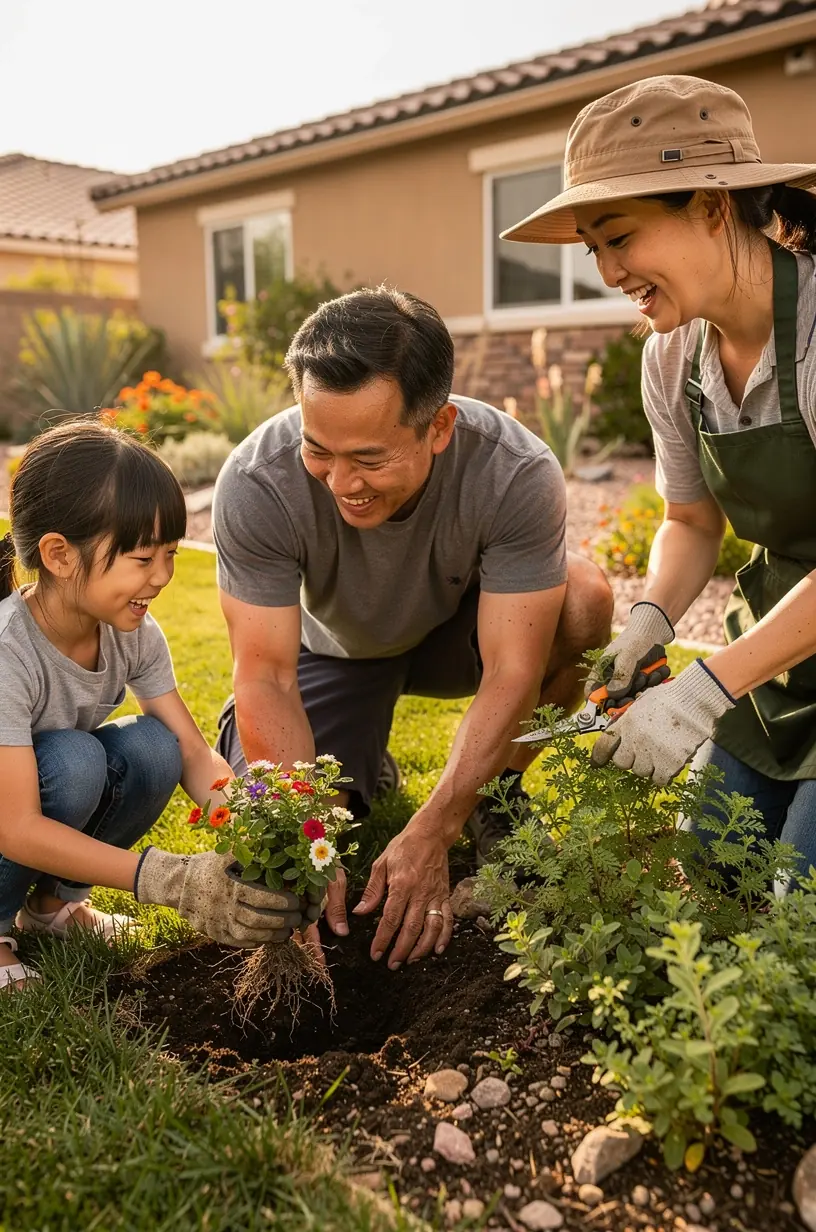
"Climate zones help gardeners select plants that will thrive in their environment, leading to more successful gardening experiences."
Key Climate Factors Affecting Gardening
- Temperature: The average temperature of a region influences the growing season. For example, warmer climates may allow for longer growing periods, while colder areas may require protective measures for plants.
- Precipitation: Adequate rainfall is vital for plant health. Research indicates that regions with consistent rainfall often have more robust plant growth, while areas with irregular precipitation patterns may require irrigation strategies.
- Sunlight: The amount of sunlight can impact photosynthesis, which is crucial for plant growth. Studies show that most vegetables require at least 6-8 hours of sunlight daily to flourish.
Practical Applications for Gardeners
To effectively utilize climate information, consider the following steps:
- Assess Your Local Climate: Begin by determining your USDA Plant Hardiness Zone. This will guide you in selecting suitable plants for your region.
- Monitor Weather Patterns: Keeping track of seasonal changes can help in planning your gardening activities. Experts recommend using local weather forecasts to adapt your gardening schedule accordingly.
- Soil Testing: Conducting a soil test can provide insights into nutrient availability and pH levels, which are influenced by climate. This information can guide soil amendments for optimal plant health.
Acknowledging Limitations and Challenges
It's important to recognize that climate can present challenges. For instance, gardeners in areas prone to drought may need to employ strategies for water conservation, while those in humid regions may face difficulties with pests and diseases. Each scenario requires different approaches and often involves a learning curve. Typically, adapting to climate conditions may take some time and experimentation, with results often becoming visible within a growing season.
Conclusion
Understanding how climate impacts gardening is not only beneficial but essential for achieving a healthy garden. By assessing local climate conditions, adapting gardening practices, and being mindful of potential challenges, you can create a thriving outdoor space. Remember, gardening is often a journey of learning and adaptation, and with the right information, you can cultivate a successful garden that flourishes in harmony with its climate.
Learn More