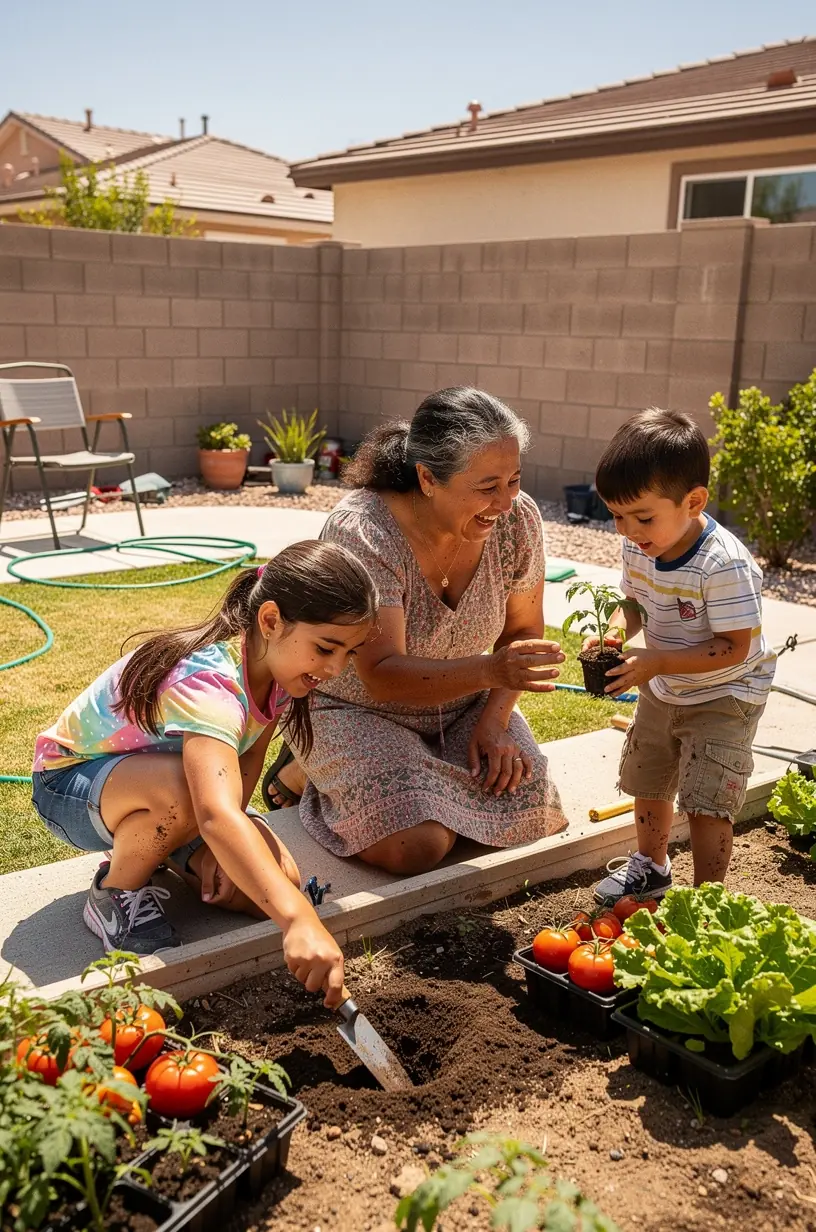
How to Identify and Manage Garden Pests
Gardening can be a rewarding hobby, but it often comes with challenges, particularly when it comes to managing garden pests. This article aims to provide practical insights on identifying and managing these unwelcome visitors effectively.
Understanding Garden Pests
Garden pests can significantly impact the health of your plants. According to research, about 30% of home gardens experience pest infestations each season, resulting in reduced plant growth and yield. Common pests include aphids, slugs, and caterpillars, which can cause damage to leaves, stems, and roots.

"Effective pest management is essential for maintaining a healthy garden ecosystem." - Industry Experts
Identifying Common Garden Pests
Recognizing pests early is critical to effective management. Here are some common indicators:
- Aphids: Small, soft-bodied insects often found on the undersides of leaves. They typically cluster together and can cause leaf curling.
- Slugs and Snails: These pests leave a slimy trail and create irregular holes in leaves. They are more active during wet conditions.
- Caterpillars: Often found munching on leaves, they can vary in color and size. Look for frass (caterpillar droppings) as a telltale sign.
Monitoring and Inspection
Regularly inspecting your garden is vital. Experts recommend checking your plants weekly, focusing on the undersides of leaves and new growth areas, where pests are likely to hide. This proactive approach can help catch infestations early, reducing damage.
Effective Pest Management Strategies
Once identified, managing garden pests can involve several strategies. Many gardeners find integrated pest management (IPM) to be effective. This approach combines cultural, biological, and mechanical control methods.
Cultural Control
Cultural practices include crop rotation, maintaining healthy soil, and selecting pest-resistant plant varieties. Research indicates that these practices can reduce pest populations by up to 50% in some cases. This works because a healthy garden ecosystem supports beneficial insects that can naturally control pest populations.
Biological Control
Introducing natural predators can be an effective way to combat pests. For instance, ladybugs are known to feed on aphids, while parasitic wasps can help control caterpillar populations. Many users report success with these methods, especially when combined with good cultural practices.
Mechanical Control
Physical barriers, such as row covers or traps, can deter pests. Additionally, regular handpicking of larger pests can be a simple yet effective solution. These methods often require consistent effort but can significantly reduce pest numbers without harmful chemicals.
Conclusion
Managing garden pests can be a challenging but rewarding part of gardening. By learning to identify common pests and implementing effective management strategies, you can create a healthier garden environment. Remember, results often take time and require persistence. With regular monitoring and practical application of these methods, you can keep your garden flourishing.
Learn More