Guidelines for Planting a Pollinator-Friendly Garden
Creating a garden that attracts pollinators not only enhances the beauty of your landscape but also supports biodiversity. This article outlines essential guidelines for planting a pollinator-friendly garden, helping you understand how to effectively cultivate an environment where these crucial creatures can thrive.
Understanding Pollinators and Their Needs
Pollinators, such as bees, butterflies, and hummingbirds, play a vital role in the ecosystem by facilitating plant reproduction. According to research from the Pollinator Partnership, over one-third of the food we consume relies on pollination. To support these creatures, it's essential to create a garden that meets their specific needs.
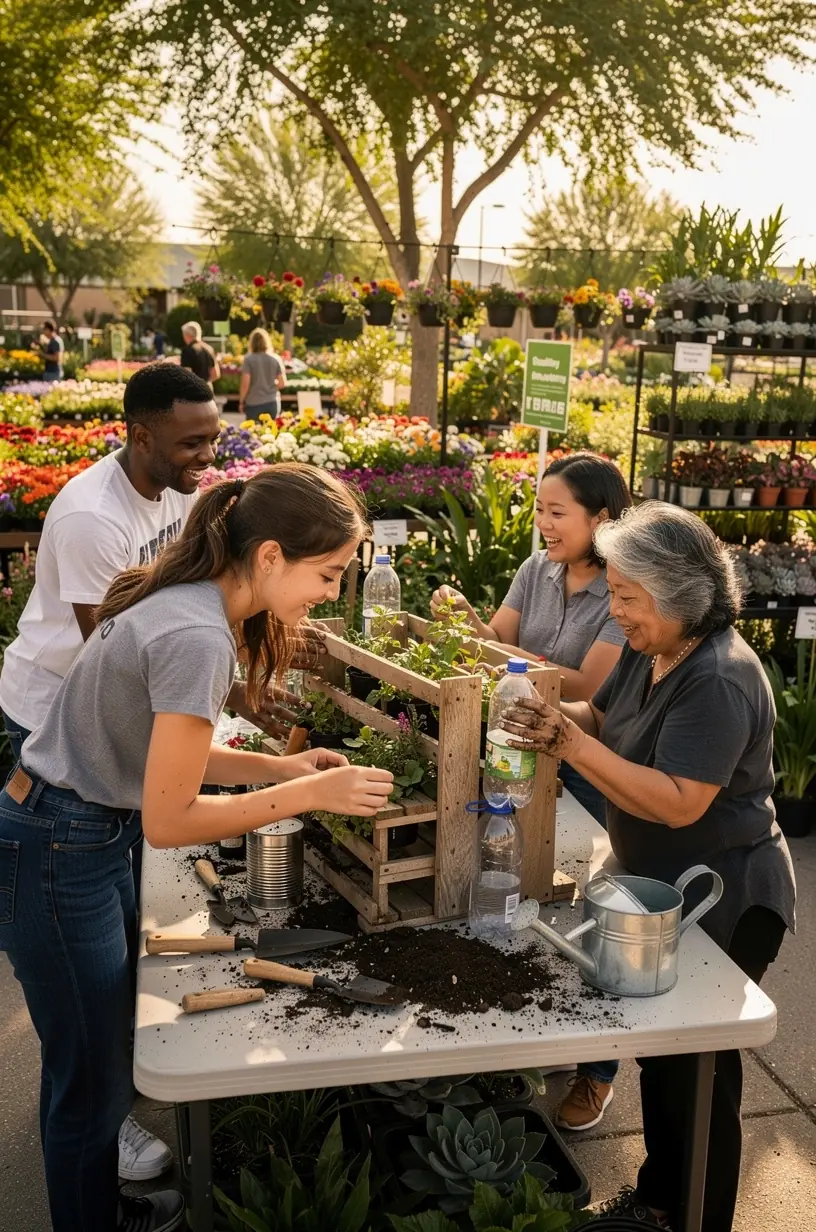
"Experts recommend providing diverse plant species to ensure food availability for various pollinators throughout the growing season."
Choosing the Right Plants
Selecting appropriate plants is critical for attracting pollinators. Here are several considerations:
- Diversity is Key: Plant a mix of native flowers, shrubs, and trees. Native plants are typically more suited to local pollinators and thrive in the local climate.
- Seasonal Blooming: Choose plants that bloom at different times throughout the year. This ensures that food sources are available from early spring to late fall, meeting the varying needs of pollinators.
- Color and Shape: Many pollinators are attracted to brightly colored flowers, particularly blue, purple, and yellow. Additionally, different pollinators prefer different flower shapes; for example, tube-shaped flowers attract hummingbirds while flat flowers attract butterflies.
Creating a Pollinator-Friendly Environment
Beyond plant selection, creating an inviting habitat involves other important practices:
- Avoiding Pesticides: Many common pesticides can harm pollinators. Consider organic alternatives and integrated pest management strategies that minimize chemical use.
- Providing Water Sources: Pollinators, especially bees, need water to thrive. Incorporate shallow water dishes or birdbaths, ensuring they have safe places to land.
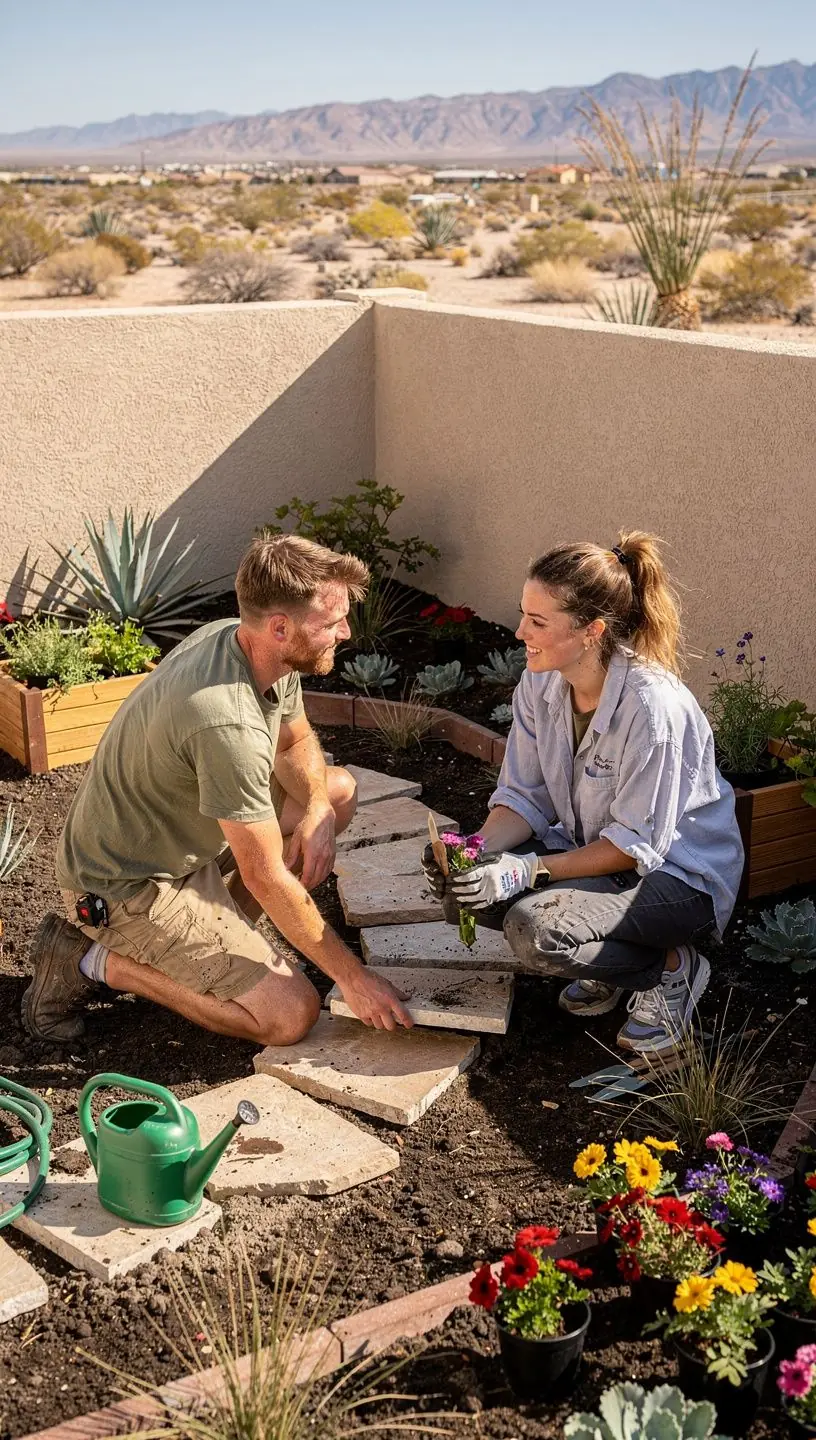
- Creating Shelter: Leave some areas of your garden a bit wild with native grasses or undisturbed soil. This can provide nesting sites for bees and other pollinators.
Maintenance and Long-Term Care
Establishing a pollinator-friendly garden typically requires ongoing commitment. Regular maintenance, such as watering, weeding, and deadheading flowers, can help your plants thrive. It’s advisable to:
- Monitor plant health and adjust care routines based on seasonal changes and plant responses.
- Engage in soil testing every few years to ensure the nutrients are adequate for your plants.
- Dedicate time to learning about local pollinators and their behaviors, as this understanding can help enhance your garden’s effectiveness as a sanctuary.
Conclusion
Creating a pollinator-friendly garden is a rewarding endeavor that contributes to environmental health. By following these guidelines, you can cultivate a beautiful space that supports pollinators while enjoying the aesthetic and ecological benefits of a vibrant garden. Remember, patience and dedication are key, as results typically appear after a season or two of growth.
Learn More